5 Warning Signs Your Grease Trap Needs Professional Grease Trap Cleaning Now
Knowing your grease trap needs attention before it fails can protect your food service business from costly shutdowns, failed health inspections, and plumbing disasters. This article covers five warning signs that tell you professional grease trap cleaning is overdue, so you can act before a small problem becomes a big one. Restaurants and commercial kitchens serving Lexington, GA, deal with grease trap demands every day, and catching these signs early can make all the difference. We have provided grease trap cleaning alongside septic and drain services for more than 60 years, making us a trusted partner for food service businesses and commercial properties throughout the region.
Sign 1 -- Your Floor Drains Are Moving Slowly
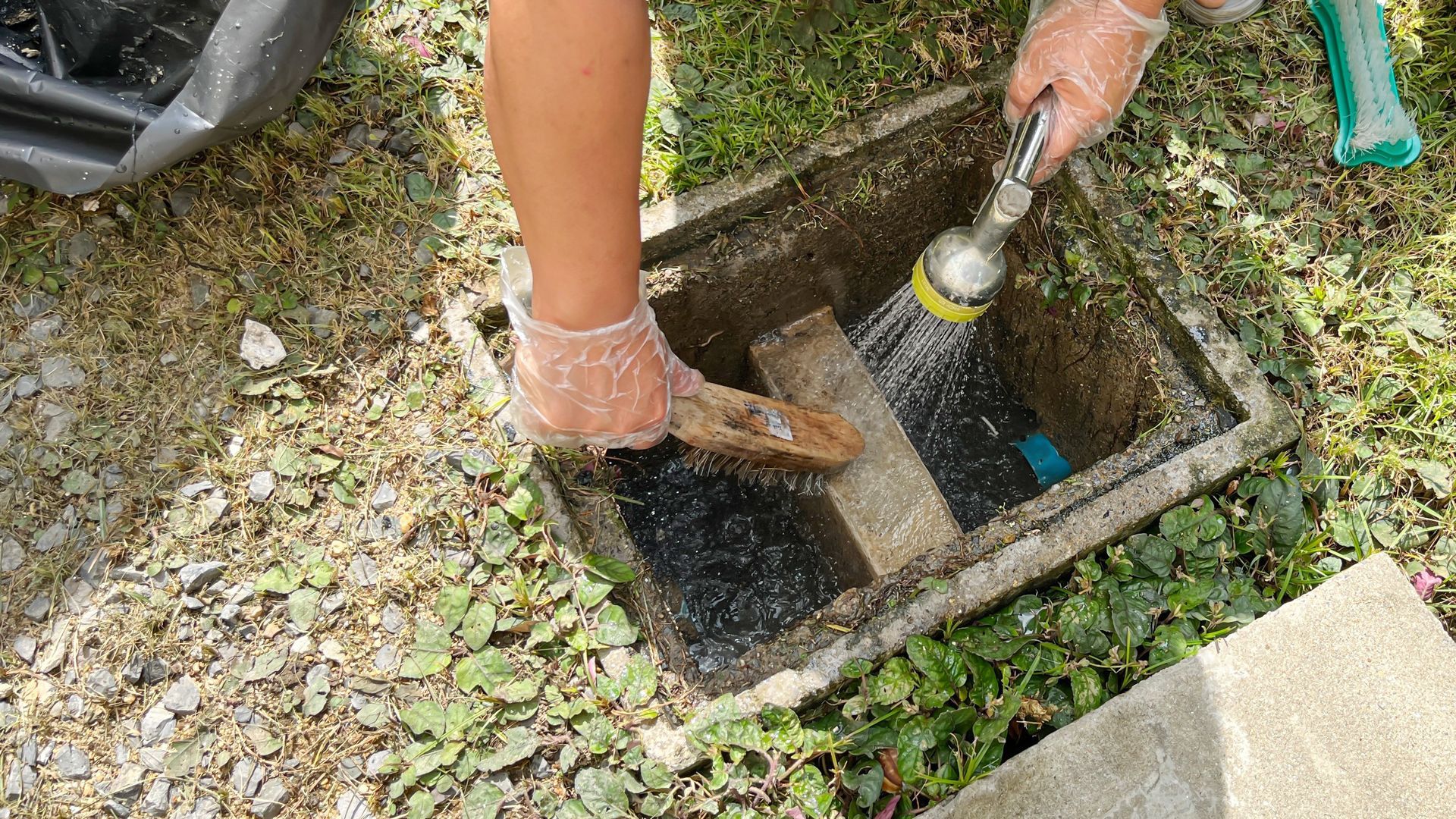
Slow-moving floor drains are one of the clearest early indicators that your grease trap is reaching capacity. When fats, oils, and grease build up inside the trap, they reduce the flow of wastewater through the system. Water that once drained quickly now pools on your kitchen floor after a busy service.
This slowdown may seem minor at first. But left alone, it can progress to a complete blockage that forces kitchen operations to stop. If multiple drains in your kitchen are all sluggish at the same time, the grease trap is the most likely cause. Scheduling professional grease trap cleaning before a full blockage develops is the best way to keep your kitchen running without interruption.
Sign 2 -- Foul Odors Are Coming From Drains or the Trap Itself
Strong, unpleasant smells coming from your floor drains or the grease trap area signal that waste inside the trap has begun to decompose. A grease trap that is functioning properly holds waste without producing strong odors. When the trap fills up, organic matter breaks down and releases hydrogen sulfide gas, which smells like rotten eggs.
For food service businesses in Lexington, GA, this kind of odor is more than just unpleasant. It can reach dining areas, alarm customers, and trigger concerns from health inspectors during routine visits. Professional grease trap cleaning removes the accumulated waste that causes these smells and restores proper function. Because grease traps and septic systems share the same goal of managing waste before it enters the ground or municipal lines, our experience in both areas brings added value to our commercial kitchen clients.
Sign 3 -- You Are Experiencing Recurring Drain Backups
Occasional slow drains are one thing, but backups that keep coming back point to a grease trap that can no longer handle the load. When the trap is full, grease and solids have nowhere to go and begin pushing back through the drain lines. You may notice wastewater backing up into sinks or onto the floor in your prep or dishwashing areas.
Recurring backups are a serious operational hazard. They create unsanitary conditions, interrupt kitchen workflow, and can signal a risk of sewage contamination on your food prep surfaces. Scheduling professional grease trap cleaning at this stage is far less disruptive than waiting for a full backup emergency.
Sign 4 -- Your Last Health Inspection Raised Grease Trap Concerns
Health department inspectors in Georgia pay close attention to grease trap maintenance for commercial food service operations. If your most recent inspection included a note, warning, or violation related to your grease trap, that is a direct signal that professional service is needed now.
Georgia health codes require commercial kitchens to maintain properly functioning grease traps as part of standard food safety compliance. Inspectors can issue violations for traps that are overdue for cleaning, improperly maintained, or missing documented service records. A professional service will also provide a manifest, which is the written documentation that shows inspectors your trap has been cleaned according to proper disposal protocols. Staying compliant protects your operating license and keeps your kitchen open for business.
Sign 5 -- You Can See Grease in Your Discharge Lines or Outdoor Drains
If you can see visible grease, an oily sheen, or greasy buildup in your outdoor drainage lines or near your discharge point, your grease trap has likely been overwhelmed. A properly working trap captures grease before it can travel downstream. When grease appears in the discharge line, it means the trap is full and grease is flowing past it unfiltered.
This situation creates a compliance risk beyond your kitchen walls. Grease entering a municipal sewer system or local waterway can lead to regulatory violations. Oglethorpe County, where Lexington, GA, is located, sits within a rural area where runoff and drainage impact local water quality. Allowing grease to escape into drainage systems can expose your business to fines and environmental liability. Act quickly and schedule professional grease trap cleaning as soon as you observe this sign.
How Often Should a Commercial Kitchen Schedule Grease Trap Cleaning?
Most commercial kitchens benefit from grease trap cleaning every one to three months, depending on how much cooking volume the kitchen handles. High-volume operations such as diners, catering facilities, and school cafeterias may require more frequent service. Because we work in both grease trap maintenance and broader wastewater systems, we can assess your trap's capacity and usage to recommend the right maintenance schedule for your operation.
What Happens If You Ignore a Full Grease Trap?
Ignoring a full grease trap can lead to complete drain backups, health inspection failures, sewer line damage, and regulatory fines. In some cases, grease blockages can cause wastewater to overflow onto the kitchen floor, creating a health and safety hazard that forces an immediate shutdown. The cost of addressing a full emergency almost always exceeds the cost of routine professional grease trap cleaning.
Schedule Service Before the Warning Signs Get Worse
Waiting too long to address these warning signs puts your kitchen, your staff, and your operating license at risk. A grease trap that receives regular attention runs more efficiently, lasts longer, and keeps your business compliant with local health codes.
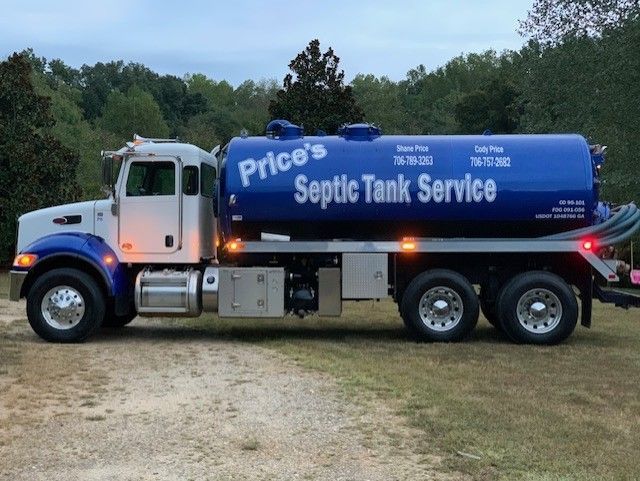
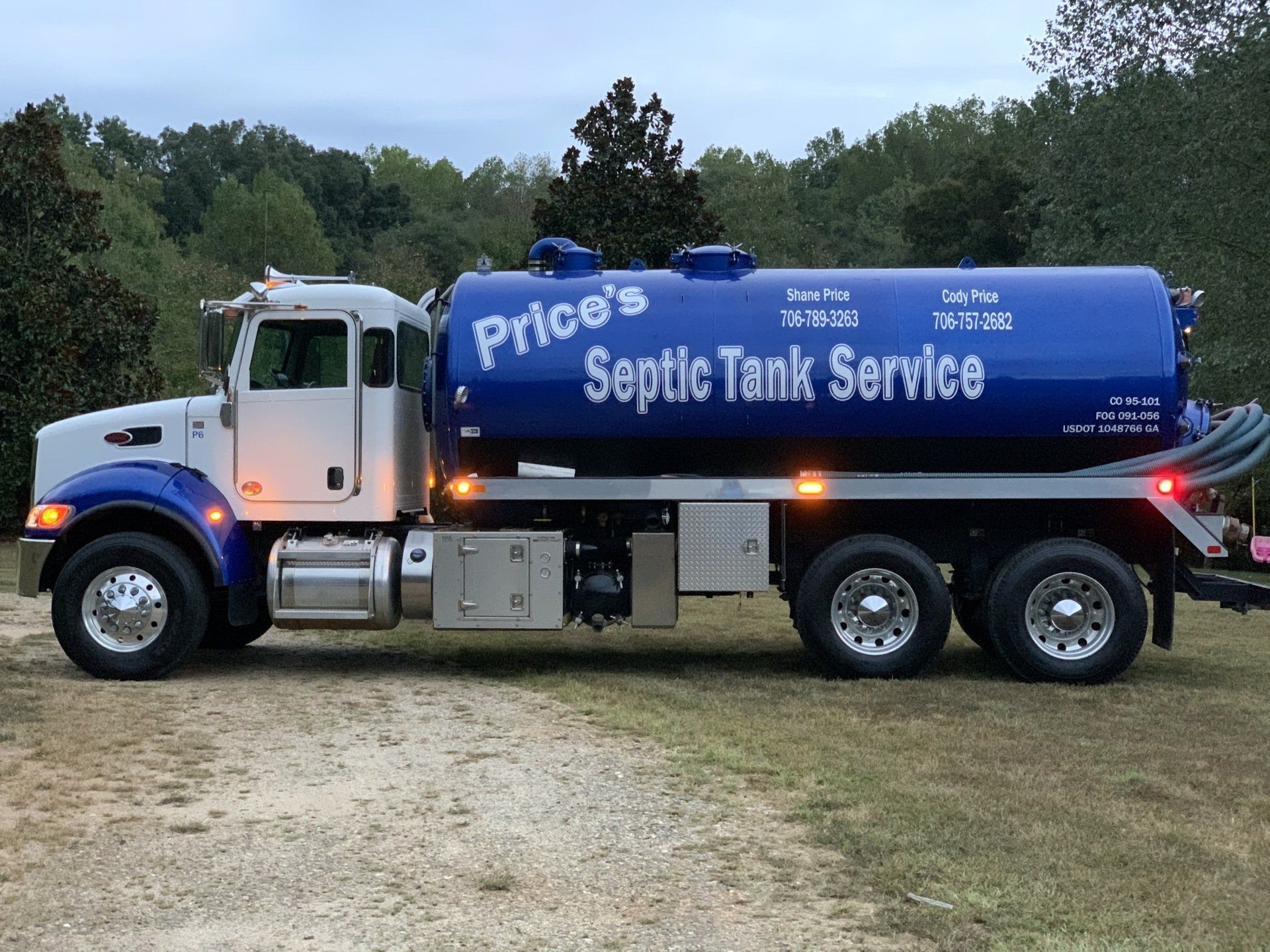
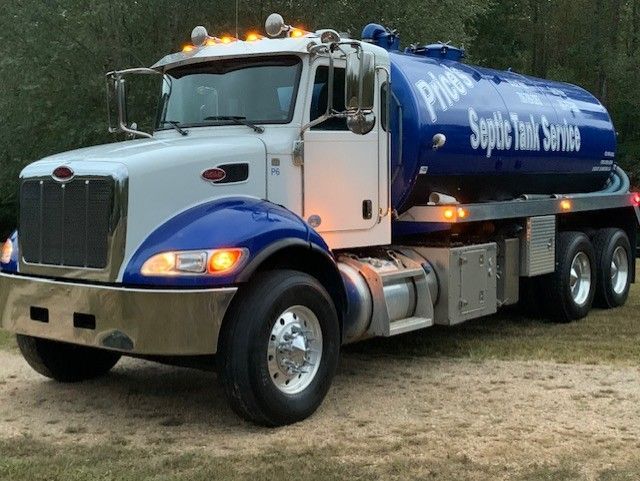
At Price's Septic Tank Service, we serve Lexington, GA, and the surrounding area with reliable, professional grease trap cleaning backed by more than 60 years of experience. As a full-service wastewater and septic provider, we bring deep knowledge of how grease management fits into the broader health of your drainage system. We handle grease removal and proper disposal, and we provide the documentation your health inspector needs. Call (706) 757-2682 today to schedule service, or contact us online to request a free quote. You can also find Price's Septic Tank Service on Google to read reviews and confirm service availability in your area.